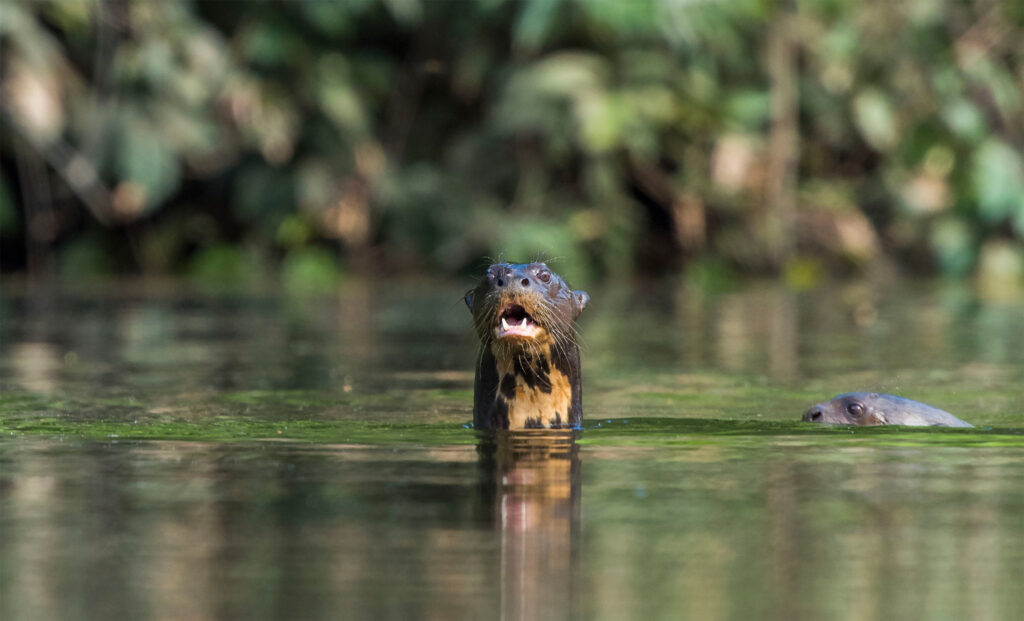
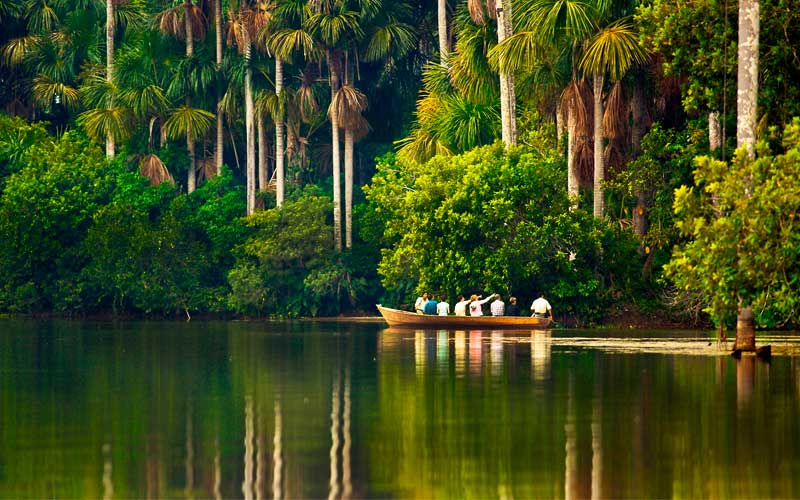
The Tambopata National Reserve is one of the true remaining gems of the Amazon rainforest. It’s a must-see destination for travelers to Peru and nature lovers from around the world. Here, we provide some background on the reserve’s history, ecology, and diversity. The Tambopata National Reserve is 274,690 hectares (1,061 square miles) of preserved land in southeastern Peru. The reserve has many diverse habitats, including Amazon rainforest lowlands, riparian forests, and horseshoe lakes. It is crossed by three rivers: the Malinowski, Tambopata, and Madre de Dios rivers. Due to the reserve’s protected status and isolated location, it is incredibly biodiverse. The reserve is home to 1,200 species of butterflies, 169 species of mammals, around 632 species of birds, and hundreds of species of trees and plants. In fact, this reserve and the surrounding region are one of the most biodiverse places on the planet.
Where is?
The Tambopata National Reserve is located in the department of Madre de Dios, in the province of Tambopata, encompassing the districts of Inambari and Tambopata. Specifically, it is located in the southern Peruvian jungle, in the Tambopata and Madre de Dios river basins.